Why Genshin Impact’s Creator are Making a Cozy Game About Life on Your Own Planet

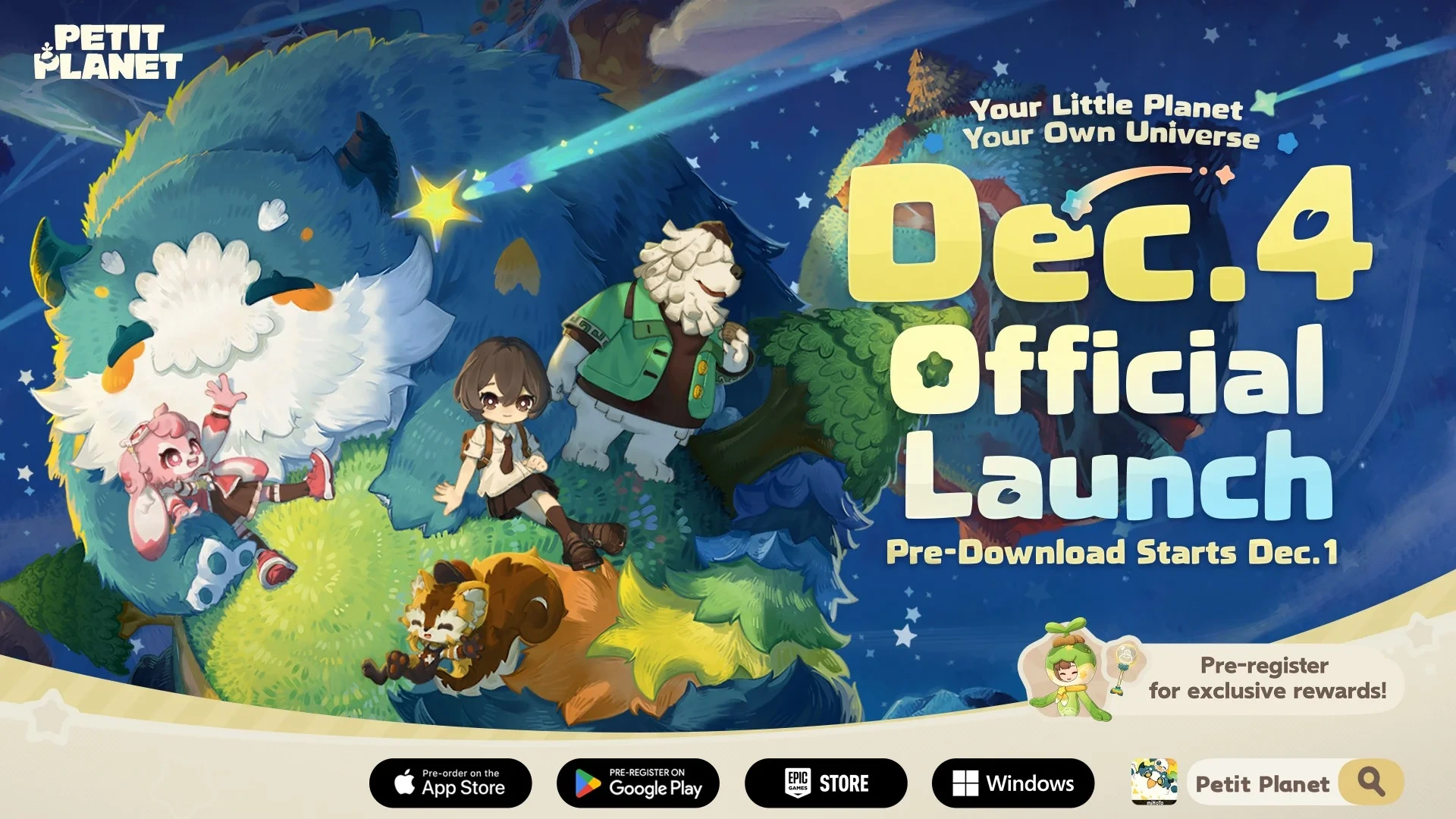
HoYoverse, best known for Genshin Impact and Honkai: Star Rail, is stepping into life simulation with Petit Planet because its developers wanted to try something they had not made before. Players will shape a personal planet, meet its residents and explore beyond it. In an interview published November 9, 2026, the developers described their plans for long-term updates, flexible social spaces and some AI-powered characters that remember interactions. They also acknowledged the influence of Animal Crossing: New Horizons. The challenge, they said, has been turning the vague promise of a relaxing game into small interactions that actually feel good to play.
In this article
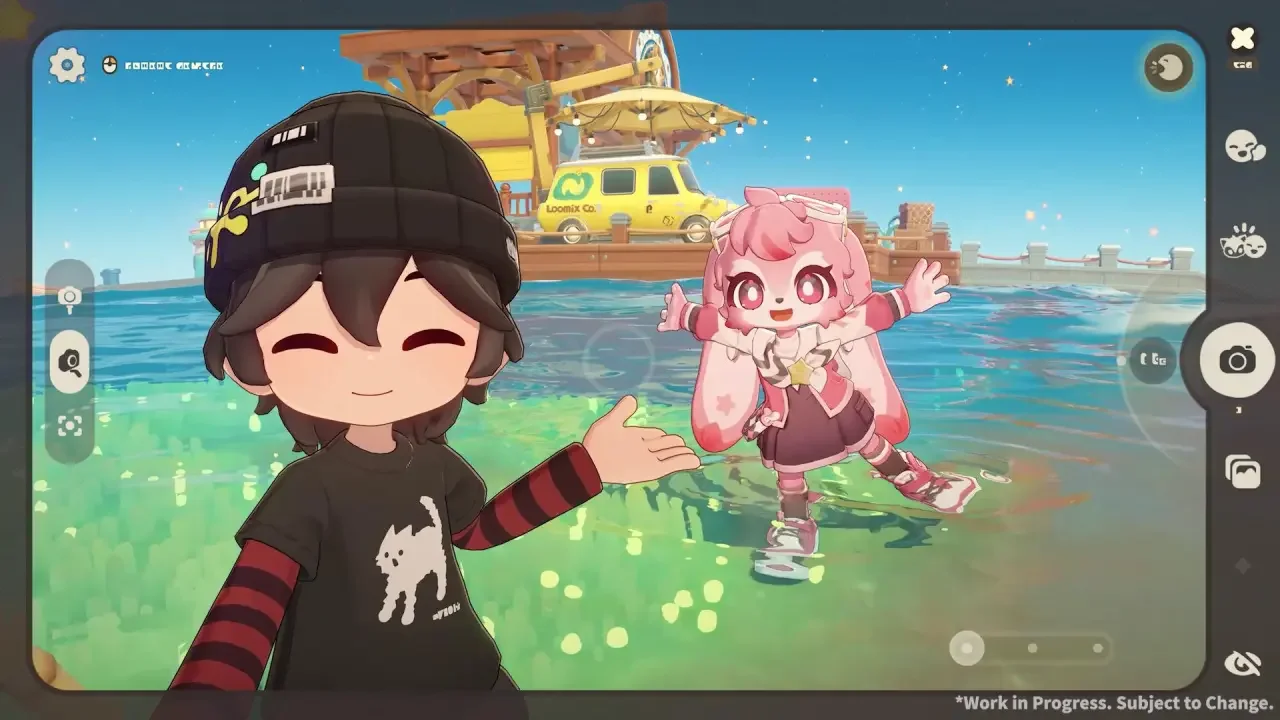
HoYoverse has built its reputation on RPGs and action games, but Petit Planet asks players to settle down rather than charge into another fight. The life simulation game centers on shaping a planet of your own, spending time with its residents and exploring a wider expanse of space. Its shift in pace is deliberate: the developers wanted to tackle a kind of game they had not made before.
In an interview with Japanese gaming outlet Denfaminicogamer, lead artist Yinli and lead game designer Murphy explained how the studio is approaching that change. Yinli said HoYoverse hopes to draw on its experience with character creation, storytelling and ongoing game development, while giving players different ways to connect with characters and one another.
Making a slow life feel good to play
For the team, one of the hardest questions was what a relaxing game should feel like from moment to moment. Yinli said the idea of a “slow life” was too abstract to hand straight to a large development team. It took time to turn that goal into decisions everyone could work toward.
Picking up items became a useful test case. An early approach made collecting things one by one feel too much like work, according to Yinli. The team tested the interaction with different groups of players and adjusted it in search of a more comfortable balance. Murphy described a similar challenge with social features: players who love meeting people and players who prefer quieter company do not necessarily want the same level of interaction.
Beyond the planet next door
Murphy laid out four areas the team sees as central to Petit Planet. It is being designed as a live-service game that can grow alongside its community. Its setting extends from a player's own planet into a wider space for exploration, gathering materials and meeting others. The team is also developing AI-powered NPCs and plans to expand the tools players can use to shape their surroundings.
Those customization plans reach beyond furniture. Murphy said players can alter terrain height and the colors of rivers and seas, as well as clouds in the sky. On the character side, the developer pointed to Naro, a café worker, as an example of an AI-powered NPC designed to remember a player's conversations and actions and respond accordingly. Yinli said these NPCs have individual personalities and values that shape their replies, but did not provide a detailed technical explanation of the system.
The developers did not shy away from the obvious comparison. Asked about Animal Crossing: New Horizons, Murphy acknowledged its influence and said the team had studied how it kept players engaged over long stretches. HoYoverse's intended distinctions include the space setting, continuing updates and more room for players who want to socialize. A HoYoverse representative added that the game is meant to help players form connections with strangers as well as existing friends.
That does not mean every encounter has to become a conversation. Murphy described a bustling area called Star Market where players can meet new people, but said simply sitting together or looking at the same thing is also intended to offer a sense of connection. Whether that balance works for different kinds of players remains a focus of testing and adjustment.
Residents, not collectibles
HoYoverse also wants the planet's NPC residents to feel like companions with lives of their own. Murphy said relationships with them can deepen to a “best friend” level, revealing more of each character's history and personality along the way. Yinli said that treating residents as the player's equals, rather than pets or tools for completing objectives, informed the decision to give them voices. The team hopes to voice as many characters as possible in the future.
Together, those choices show what HoYoverse is trying to carry into a new genre. Petit Planet puts the studio's emphasis on distinctive characters and sustained development into a game where the everyday interactions, from collecting an item to sitting beside someone, have to be enjoyable in their own right.